
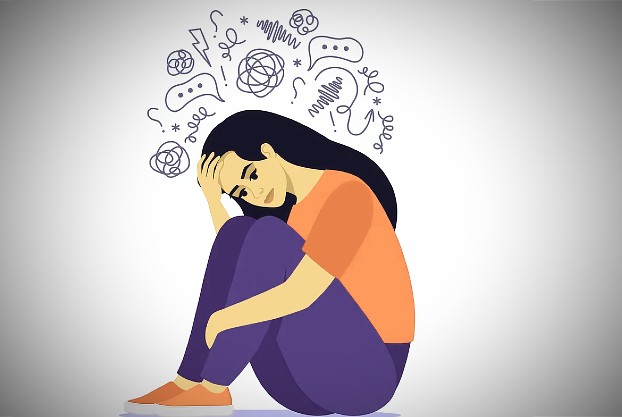
Here’s a truth we don’t say out loud enough: your attachment style silently directs almost every emotional decision you make in relationships. From how you fight, to how you shut down, to how you love, cling, avoid, fear, or hope; there’s a blueprint underneath.
A 2023 global survey showed that almost 45% of adults identify with insecure attachment patterns, and yet most have no idea what that even means.
Another study found that nearly 60% of relationship conflicts trace back not to communication skills, but to attachment injuries formed in childhood.
In other words:
You are not dramatic, needy, cold, avoidant, or “too much.” You are patterned.
And patterns can be understood. Rewritten. Healed.
This blog is your guide to understanding attachment styles in relationships: gently, honestly, and without the jargon that makes psychology feel like a club you need a degree to join.
Ready? Let’s dive in.
What Exactly Is Attachment… and Why Does It Control So Much?
Attachment is the emotional glue between humans.
It starts in childhood, but it doesn’t stay there.
When caregivers are consistent, emotionally available, and safe, children grow up feeling:
- Loved
- Worthy
- Safe to depend on others
But when caregivers are unpredictable, critical, dismissive, or overwhelmed, children learn something else:
- Love is unpredictable.
- People leave.
- Emotions are dangerous.
- I must survive by adapting, even if those adaptations hurt me later.
These survival strategies become our adult attachment styles.
Think of attachment as the emotional operating system running quietly in the background while your relationships run loudly in the foreground.
The Neuroscience of Attachment: What Your Brain Is Actually Doing
Most people think attachment is “emotional,” but it’s deeply biological.
Inside your brain:
- The amygdala scans for threat (like emotional distance).
- The prefrontal cortex tries to calm you down.
- The nervous system activates fight/flight/freeze based on past patterns.
- The reward system floods with dopamine during closeness, triggering cravings.
A 2022 study shows that people with insecure attachment have 25% higher amygdala activation during perceived relationship threat.
In other words:
Your nervous system reacts before your logic does.
The Four Attachment Styles
Below are the four widely known attachment styles.
You may see yourself in one.
You may see your partner in another.
You may even see your parents in all of them.
This is not about blame.
It’s about awareness.
1. Secure Attachment: “Love is Safe. People Stay.”
People with secure attachment believe:
- I am worthy of love
- Others can be trusted
- Conflict doesn’t mean abandonment
They can express needs without fear and give space without panic.
2. Anxious Attachment: “Don’t leave. Please don’t leave.”
If you’ve ever felt like relationships are emotional roller-coasters, welcome. This style often comes from inconsistent caregiving; love one minute, withdrawal the next.
Core beliefs:
- I could lose them at any moment
- I need reassurance to feel safe
- If they’re distant, I must be the problem
Common behaviors:
- Overthinking texts
- Feeling “too much”
- Seeking closeness intensely
- Assuming worst-case scenarios
3. Avoidant Attachment: “I love you… but I also need to disappear now.”
Avoidant attachment comes from emotional neglect or environments where independence was forced prematurely.
Core beliefs:
- I should not rely on others
- Emotions complicate things
- Vulnerability is dangerous
Common behaviors:
- Retreating during conflict
- Preferring space over closeness
- Feeling smothered easily
- Labeling emotions as “irrational”
4. Disorganized Attachment: “I want love, but I'm terrified of it.”
This style often develops from chaotic or traumatic environments where caregivers were both the source of comfort and the source of fear.
Core beliefs:
- Love is unpredictable
- People who care can also hurt
- Emotions are overwhelming
Common behaviors:
- Switching between anxious and avoidant behaviors
- Struggling with emotional regulation
- Feeling unsafe even in healthy relationships
Relatable example:
Wanting closeness deeply… then panicking when someone gets too close.
Why Partners Trigger Each Other’s Attachment Styles
Ever notice how couples often look like this?
- Anxious + Avoidant
- Avoidant + Anxious
- Secure + Literally Anyone
These combinations aren’t accidents.
They’re psychological choreography.
Anxious people chase connection.
Avoidant people run from intensity.
Each person activates the other's deepest wound.
This is why understanding attachment styles in relationships becomes powerful since t’s not about labeling, it’s about breaking cycles.
Pop Culture Meets Attachment: How Movies Teach Us About Love
Use modern references: it makes a heavy topic fun and viral.
Examples:
- Kabir Singh → disorganized attachment, emotional volatility
- Tamasha → anxious attachment + identity wounds
- Gehraiyaan → trauma bonding
- Friends (Ross & Rachel) → anxious-avoidant dynamic
- Normal People → avoidant + anxious chemistry
THE BIG QUESTION:
Can You Change Your Attachment Style?
Absolutely.
Attachment is not a life sentence.
It’s a story; but not the ending.
Studies show that people can move toward secure attachment within 6–18 months of consistent emotional healing, especially with therapeutic support.
This is where therapy for attachment issues becomes transformative; not because therapists “fix you,” but because they offer something your nervous system never had:
A consistent, regulated, safe connection.
How Attachment Shows Up in Real-Life Situations
TEXTING
Secure
- “I’ll reply when I can. We’re okay.”
- Does not assume the worst if there’s a delay.
- Communicates directly if something feels off.
Anxious
- Counts minutes between replies.
- Reads tone into every message.
- Sends follow-up texts to reduce anxiety (“Are you mad at me?”).
Avoidant
- Replies when emotional energy allows.
- Feels overwhelmed by constant texting.
- May ignore messages when stressed to regain control.
Disorganized
- Texts intensely, then disappears suddenly.
- Torn between wanting closeness and fearing it.
- Reads messages through a lens of both hope and threat.
CONFLICT
Secure
- Engages without fear.
- Believes conflict is repairable, not catastrophic.
- Can communicate needs without attacking or withdrawing.
Anxious
- Escalates quickly because the fear of abandonment activates.
- Overexplains, overtalks, or apologizes excessively.
- Worries: “This fight means you’ll leave.”
Avoidant
- Shuts down or distances themselves emotionally.
- Avoids confrontation because it feels overstimulating.
- Withdraws to calm themselves, but looks cold to others.
Disorganized
- Alternates between anxious pursuit and avoidant shutdown.
- Upset by conflict, but also panicked by closeness.
- Reacts unpredictably because both fear and longing are activated.
INTIMACY
Secure
- Experiences intimacy as connection, not crisis.
- Comfortable giving and receiving affection.
- Can stay emotionally present.
Anxious
- Seeks reassurance through closeness.
- Fears intimacy disappearing, not intimacy itself.
- May interpret physical affection as a measure of worth.
Avoidant
- Fears losing independence through intimacy.
- May enjoy physical closeness but emotionally distance.
- Often feels overwhelmed when someone gets “too close.”
Disorganized
- Desires deep intimacy but fears the vulnerability it requires.
- May initiate closeness then suddenly pull away.
- Confuses intensity with safety because of past chaos.
Understanding this dynamic is the first step toward meaningful change.
How Therapy Actually Helps
Whether you're exploring couples work, trauma-informed care, or therapy for attachment issues, the main goal remains the same:
To help you move toward a more secure, emotionally grounded version of yourself.
A therapist becomes a safe base:
- They don’t shame your patterns
- They help you understand triggers
- They teach regulation
- They support emotional repair
And slowly… the nervous system learns:
“Connection is safe after all.”
Healing becomes deeper when you start understanding attachment styles in relationships not as flaws, but as maps. Maps; that show where you’ve been, what shaped you, and where you can go from here.