
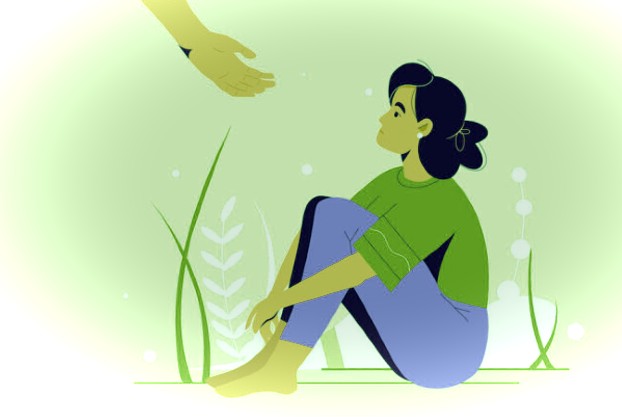
The problem is not always visible, but it is everywhere
Mental health struggles do not always look dramatic. Sometimes they look like they're replying “I’m okay” while emotionally shutting down inside. Sometimes they look like overworking, emotional numbness, constant overthinking, or an inability to rest without guilt.
According to the World Health Organization, mental health conditions affect millions globally, yet trauma continues to remain misunderstood. Many people still associate trauma only with extreme events. In reality, trauma can also develop through repeated emotional neglect, unsafe environments, bullying, rejection, toxic relationships, chronic stress, addiction in families, or years of feeling unseen.
What makes this harder is that society often rewards survival responses. The person who suppresses emotions is called “strong.” The one who overfunctions despite burnout is called “disciplined.” The person who never asks for help is praised for being “independent.”
But functioning and healing are not the same thing.
Trauma counselling is not only for people who have experienced extreme or visible suffering. It is also for individuals carrying emotional exhaustion, chronic fear, relationship wounds, childhood neglect, or years of silently functioning in survival mode.
The emotional backpack nobody talks about
Imagine carrying a backpack every single day. At first, it feels manageable. Then people slowly begin adding weight to it.
A childhood memory that was never processed.
A humiliating relationship.
Fear of abandonment.
Years of criticism.
Pressure to constantly perform.
Grief that never had space to breathe.
Over time, the body adapts to carrying the weight, but adaptation does not mean the load becomes lighter.
This is what unresolved emotional pain often feels like. Many people become so used to survival mode that they no longer recognize what safety feels like.
That is where professional support becomes important.
At Another Light Counselling, therapy is approached with this understanding; that emotional pain is complex, deeply human, and connected to both psychological and physical experiences.
When coping mechanisms become lifestyles
Not every coping mechanism looks unhealthy from the outside. Some are socially celebrated.
Overworking can hide emotional avoidance. Constant productivity can become a distraction from unresolved pain. Humour can become emotional armour. Even hyper independence can develop from experiences where relying on others once felt unsafe.
Addiction also deserves to be understood through this lens. Whether it involves substances, emotional dependency, work, scrolling, or self destructive habits, many addictions begin as attempts to regulate overwhelming emotions.
Research consistently links unresolved trauma with higher risks of anxiety disorders, depression, substance dependence, sleep difficulties, and relationship instability. Yet shame still dominates most conversations around coping behaviours.
People often need compassion before they can create change.
The loneliness of “high functioning” people
One of the most overlooked experiences in mental health is high functioning distress.
These are people who continue working, socializing, achieving, and appearing “normal” while privately struggling with emotional exhaustion.
Because they continue functioning, their pain often gets minimized. Friends may say, “But you seem fine.” Colleagues may admire their productivity. Family members may assume they are handling everything well.
Meanwhile, the nervous system remains stuck in survival mode.
This silent exhaustion is far more common than people realize.
The body remembers what the mind tries to minimize
Trauma is not only psychological. It can also become physical.
People may experience headaches, fatigue, digestive issues, muscle tension, emotional numbness, difficulty sleeping, or sudden emotional reactions without fully understanding why. The nervous system stores experiences differently from memory.
For many people, beginning trauma counselling is the first time they feel heard without judgment or pressure to “be positive.”
The burnout generation
Modern culture has normalized emotional exhaustion.
People are expected to stay productive through grief, respond instantly to messages, maintain social presence online, and continue functioning regardless of emotional capacity. Rest is often treated like laziness instead of a biological need.
The result is a generation that knows how to perform wellness but struggles to genuinely feel well.
Healing is rarely about becoming a completely different person. Often, it is about finally feeling safe enough to become yourself without constant fear.
The relationships we repeat without realizing
Emotional wounds often shape adult relationships in quiet ways.
Someone who grew up around inconsistency may fear abandonment intensely. Someone raised in emotionally critical environments may struggle to believe they are worthy of love. A person accustomed to chaos may even mistake anxiety for connection because calmness feels unfamiliar.
Without awareness, people often repeat patterns they once adapted to for survival.
This is why trauma counselling is not only about revisiting the past. It is also about understanding present patterns with honesty instead of shame.
Why compassion is clinically important; not just emotionally comforting
Compassion in therapy is not simply about kindness. Research in psychology repeatedly shows that shame based approaches often increase emotional withdrawal, while emotionally safe environments improve openness, regulation, and long term recovery outcomes.
People heal better when they do not feel attacked for struggling.
This becomes especially important for individuals navigating addiction, trauma histories, anxiety, identity based stress, or chronic emotional invalidation.
A compassionate approach creates conditions where honesty becomes possible.
And honesty is often where recovery truly begins.
The hidden grief many people carry
Not all grief comes from death.
People grieve:
- Childhoods they never got to fully experience
- Relationships that damaged their sense of self
- Versions of themselves built entirely around survival
- Lost years spent in fear or emotional shutdown
This kind of grief rarely gets acknowledged publicly. Yet it affects how people move through life, relationships, work, and self worth.
One of the most powerful parts of therapy is creating room for these invisible losses to finally be recognized.
At Another Light Counselling, healing is approached through empathy, trauma informed understanding, and respect for each individual’s emotional journey. Because mental health care should never feel cold, performative, or one dimensional.