
You Were Never “Just One Version” of Yourself
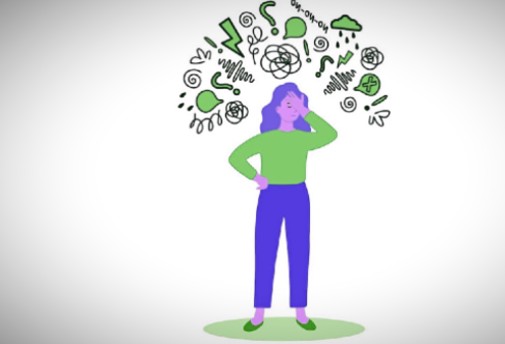
Have you ever felt like this?
- One part of you wants to rest… another calls you lazy
- One part wants love… another pushes people away
- One part wants to heal… another is terrified of what that means
And somewhere in between, you’re left thinking: “Why am I like this?”
Studies suggest that over 60–70% of individuals experience internal conflict regularly, especially around relationships, self-worth, and decision-making.
In India, despite growing awareness, mental health conversations still struggle with emotional language, leaving many people confused about their own inner experiences.
What if the chaos inside you isn’t chaos at all?
What if it’s a family; your inner family trying to be heard?
This is the heart of Internal Family Systems Therapy in India, an approach that doesn’t try to silence your inner voices; but helps you understand them.
IFS says:
You don’t need to become someone new. You need to build a relationship with who you already are.
Meet Your Inner Family
Let’s make this real. Inside you, there isn’t just “you.”
There are many versions of you, shaped by:
- Experiences
- Relationships
- Trauma
- Expectations
- Survival strategies
Your inner family might include:
- The Responsible One who holds everything together
- The Critic who never lets you relax
- The Pleaser who fears rejection
- The Avoider who disappears when things get intense
- The Younger You who still carries old pain
The Roles Within Your Inner Family
Instead of rigid categories, let’s understand how these parts feel in real life.
The Protectors
These are the ones running your day-to-day life. They sound like:
- “Don’t mess this up”
- “Stay in control”
- “Be better”
They often show up as:
- Perfectionism
- Overthinking
- Emotional control
- People-pleasing
Their fear: “If I don’t manage everything, something will go wrong.”
The Firefighters
These show up when things feel too overwhelming.
They don’t think long-term. They just want relief now.
They might look like:
- Binge-watching, scrolling, numbing out
- Substance use
- Avoiding conversations
- Emotional shutdown
Their belief: “Anything is better than feeling this.”
The Exiled Parts
These are the most vulnerable. They carry:
- Shame
- Rejection
- Fear
- Loneliness
They don’t speak loudly. They wait and often, they’re the ones your system is trying hardest to protect.
The Big Shift: You Are Not Your Thoughts: Understanding “The Self”
Let’s slow this down, because this is the core of everything in IFS and often the most misunderstood.
When we say:
“You are not your parts; you are the Self that can lead them”
…it’s not just a motivational line. It’s a fundamental reorientation of identity.
So what exactly is “The Self”?
The Self in Internal Family Systems isn’t:
- Your personality
- Your role (friend, partner, professional)
- Your thoughts
- Your coping mechanisms
It’s something deeper. More stable. Less reactive.
Think of it as the center of you that doesn’t panic, perform, or protect. You’ve already experienced it; just maybe not named it.
Moments like:
- When you responded with patience instead of reacting instantly
- When you understood someone even when you were hurt
- When you sat with a difficult feeling without escaping it
- When things felt clear, even if not easy
That wasn’t your “best version.” That was your Self showing up.
When Your Inner Family Starts Fighting
Let’s look at a real-life moment. You want to start something new.
- One part says: “Let’s do it.”
- Another says: “You’ll fail.”
- Another says: “Let’s just avoid this.”
That’s not confusing. That’s a family argument happening internally.
And here’s the key:
- No part is wrong
- No part is the enemy
- They’re just operating with different fears and goals
This is why therapy with someone like Aanchal Narang Psychologist, who brings a trauma-informed, integrative approach, often means that your inner family isn’t approached as a problem to solve but as a system to gently understand.
Relationships: When Two Inner Families Meet
This is where things get even more interesting. You’re not just bringing yourself into relationships. You’re bringing your entire inner family.
Example:
You say: “Why didn’t you call me?”
But underneath:
- A part feels abandoned
- Another feels unimportant
Your partner hears it as:
- Pressure
- Criticism
- Control
So what’s actually happening? → Your inner family is reacting to theirs.
IFS helps you:
- Pause before reacting
- Identify which part is activated
- Respond from awareness, not impulse
Conversations You’ve Never Had With Yourself
Imagine this:
Instead of saying,
“I hate that I’m like this”
You say:
- “What are you trying to protect me from?”
- “When did you start feeling this way?”
- “What do you need right now?”
At first, it might feel strange.
But slowly…
The harshness softens
The resistance reduces
The system relaxes
Because for the first time, your inner family feels heard.
Why This Approach Works
IFS is not just philosophical; it’s evidence-informed and widely practiced.
It supports:
- Trauma healing
- Addiction recovery
- Emotional regulation
- Self-compassion development
Studies have shown significant improvement in PTSD, anxiety, and depression symptoms using IFS-based interventions.
But beyond data, here’s the deeper reason: It replaces shame with understanding.
And that alone can change how people relate to themselves.
Why This Matters in India
In many Indian households, emotional experiences are often:
- Minimized
- Dismissed
- Misunderstood
You might have heard:
- “Don’t overthink”
- “Be strong”
- “Move on”
But where do those feelings go?
They don’t disappear. They become parts of you.
That’s why Internal Family Systems Therapy in India is becoming increasingly relevant; it gives language to what many people have felt but never understood.
The Role of the Therapist
In this journey, the therapist isn’t an authority figure. They’re a guide.
Professionals like Aanchal Narang Psychologist bring trauma-informed, integrative approaches that combine IFS with modalities like EMDR and somatic work; helping clients not just understand their parts, but feel safe with them.
Who Is This For?
This approach can be powerful if you:
- Feel internally conflicted
- Struggle with patterns you can’t break
- Experience anxiety, numbness, or overwhelm
- Want deeper self-understanding; not just coping tips
A Thought to Sit With
“What if the parts of you that feel the most difficult… are the ones that needed the most care?”
Note: You Were Never Meant to Silence Yourself
You’ve spent years trying to be more in control, less emotional, “better.”
But what if healing isn’t about becoming less of yourself; but finally listening, deeply and honestly? Because inside you is not chaos. It’s a system. A family. A story waiting to be understood.
Internal Family Systems Therapy in India doesn’t ask you to fix yourself. It asks you to meet yourself, listen to yourself, and lead yourself.
So the next time you feel overwhelmed or stuck… pause and ask: “Which part of me is asking to be heard right now?”