
“I Know What’s Wrong. So Why Am I Still Struggling?”
This is becoming one of the most common emotional experiences today.
People understand therapy language better than ever before. They know about anxiety, attachment styles, trauma responses, burnout, and emotional triggers. Yet many still feel trapped in the same patterns.
Someone keeps returning to unhealthy relationships despite recognising the damage. Another person wants to quit an addiction but feels emotionally dependent on it. A professional appears successful externally while silently feeling exhausted, disconnected, and numb.
That gap between awareness and emotional change is exactly why deeper therapeutic approaches are gaining attention.
This layered understanding is becoming increasingly important within modern counselling psychology in India, especially as younger generations begin questioning survival patterns they previously accepted as normal.
According to the World Health Organization, mental health conditions affect nearly one billion people globally. In India, rising stress levels, emotional isolation, and unresolved trauma are pushing more individuals to seek meaningful psychological support instead of surface level coping strategies.
Maybe Your Reactions Are Trying to Protect You
Most people grow up believing emotions should be controlled quickly.
Anger becomes “bad.” Neediness becomes “weak.” Emotional shutdown becomes “maturity.”
But human behaviour rarely develops without context.
A person who struggles with vulnerability may have learned early that emotional openness was unsafe. Someone constantly overworking may connect productivity with worth. Many addictive behaviours are not simply about pleasure; they are often attempts to escape emotional pain temporarily.
Most individuals experience internal conflict every single day.
One part wants stability; another wants chaos. One part craves intimacy; another avoids vulnerability. One part wants healing; another keeps sabotaging progress.
This does not mean somebody is broken. It means the human mind adapts creatively to emotional experiences.
This is one reason Internal Family Systems Therapy resonates with many people. Instead of labelling reactions as flaws, it explores the protective role behind them.
That shift feels deeply human.
Rather than asking, “What is wrong with me?” people begin asking, “What part of me learned to survive this way?”
Understanding the “Parts” Within Us
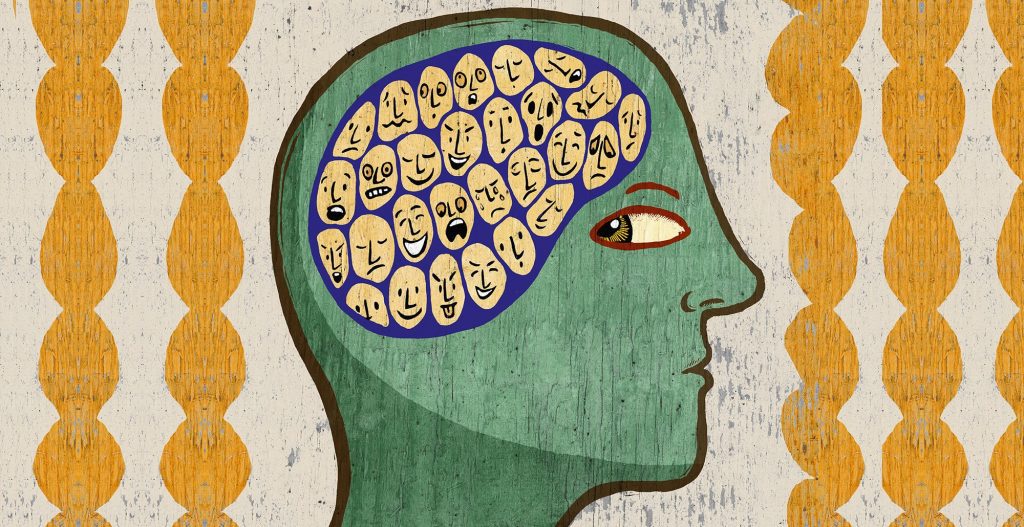
One of the most powerful ideas in IFS is that the mind is made up of different emotional “parts,” each trying to protect us in its own way.
- Protectors often keep people guarded, perfectionistic, or hyper independent to prevent emotional pain.
- Firefighters react when emotions become overwhelming; through anger, impulsive behaviour, addiction, emotional shutdown, or distraction.
- Exiles are the deeply wounded parts carrying shame, rejection, fear, or loneliness that the system tries to avoid feeling.
- Beneath all these layers exists the Self; calm, compassionate, grounded, and capable of leading healing without shame, fear, or emotional war within.
Why Traditional Advice Often Falls Flat
“Move on.” “Stop overthinking.” “Be positive.”
Most emotional advice focuses on controlling behaviour without understanding emotional history.
But healing does not happen through emotional pressure.
For example, a person who constantly pleases may not simply lack boundaries. They may have grown up in environments where conflict felt dangerous. Someone struggling with emotional numbness may actually be experiencing burnout or unresolved grief.
Without understanding the root, patterns often repeat themselves.
This growing awareness is influencing modern counselling psychology in India, especially among younger adults looking for trauma informed and emotionally aware approaches to healing.
Addiction Is More Emotional Than People Realise
Addiction is often misunderstood as lack of discipline.
In reality, many addictive patterns function as emotional coping mechanisms.
Whether it is alcohol, doom scrolling, toxic relationships, workaholism, or emotional dependency; these behaviours often help people avoid feelings they do not know how to process safely.
Common emotions underneath addictive patterns include:
- Loneliness
- Shame
- Fear of abandonment
- Emotional emptiness
- Chronic stress
- Unprocessed trauma
When therapy focuses only on stopping the behaviour without understanding the emotional pain underneath, recovery becomes harder to sustain.
That is why compassionate, trauma informed approaches are becoming increasingly relevant today.
Unlike approaches that focus only on changing behaviour, Internal Family Systems Therapy encourages people to understand the emotional intention behind their reactions. Instead of fighting anxiety, numbness, anger, or self sabotage immediately, the process explores what these responses may be protecting internally.
Emotional Healing in India Is Evolving
Therapy conversations in India are changing rapidly.
People are no longer satisfied with advice that feels generic or emotionally disconnected. They want spaces that understand family pressure, identity struggles, relationship trauma, emotional burnout, and cultural conditioning.
Many adults are now recognising patterns they normalised growing up:
- Love linked with achievement
- Emotional suppression mistaken for strength
- Guilt around prioritising mental health
- Fear of disappointing family expectations
These experiences shape emotional responses far more deeply than most people realise.
This emotional shift is also why Internal Family Systems Therapy is becoming part of larger conversations around self awareness, trauma recovery, and emotional integration.
The Inner Critic Is Not Always the Villain
Many people believe harsh self criticism keeps them successful.
But constant internal hostility comes at a cost.
Research consistently links excessive self criticism with anxiety disorders, depressive symptoms, addiction relapse, and emotional dysregulation. Yet millions continue speaking to themselves in ways they would never speak to another person.
Why?
Because somewhere along the way, criticism became associated with protection.
Healing Is Not About Fighting Yourself
One of the biggest emotional misconceptions is that healing requires becoming a completely different person.
It does not.
Healing often begins when people stop treating themselves like a problem to solve and start understanding themselves with honesty and compassion.
Not every coping mechanism is healthy. But many were created for survival.
That perspective changes the entire healing process.
As mental health conversations continue evolving, people are moving away from emotional shame and toward emotional understanding. And perhaps that is the real transformation happening right now; people are finally learning that growth is not built through self hatred.
It is built through awareness, safety, and the willingness to understand the parts of ourselves we spent years trying to silence.